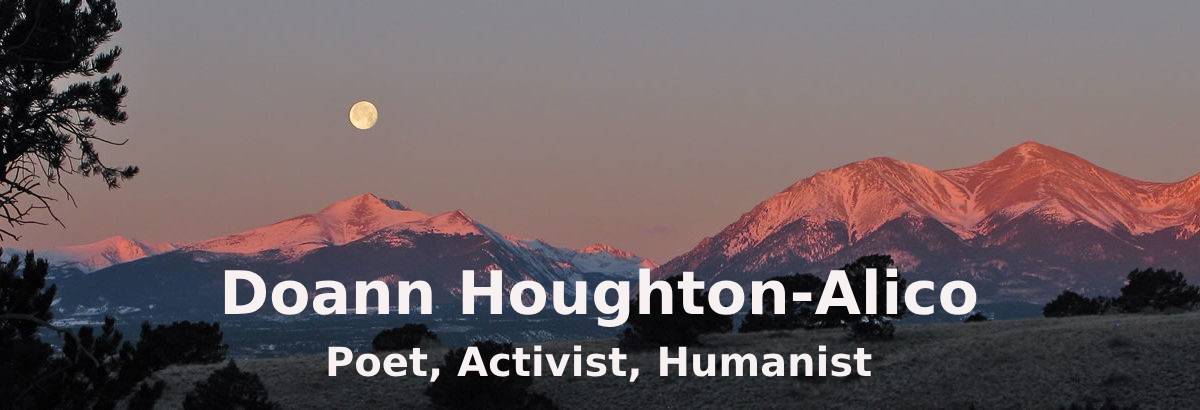
I live in Colorado in the mountains at 8,200′ just east of the Continental Divide. I see several of Coloado’s Fourteeners from my home. What I don’t see is snow. We are in the midst of a severe drought, which is what prompted this post.
An obvious one is to fix any leaking faucet and to make sure each faucet is fully turned off after use. But there’s a lot more, so read on. For many, saving water is also saving money!
Be alert to any situation in which H2O is running freely down a drain; that’s a place where you can save water. For example, the kitchen sink, when you’re washing your hands, do it over a bucket that you can easily carry outside and throw on anything growing (except invasive weeds). Use that bucket also when rinsing out a coffee or tea pot, a cup or glass to use again, vegetables we’re cleaning to prepare for a meal, a pot that needs rinsing, waiting for water to get hot or cold, bottles or cans we’re rinsing out for recycling or reusing, anything we’re putting under the faucet that isn’t greasy or full of food scraps. You’ll be amazed at how often you’ll need to empty the bucket. Make sure it doesn’t get too full for you to be able to lift it! You can also use it for indoor plants, something that might need soaking in not 100% pure H2O, or for a dirty pot or pan that will be easier to clean after soaking. Some soap or even small food scraps in the bucket won’t hurt our plants.
In the bathroom sink, find a container that fits well under the faucet and apply the same principle. It will catch water from brushing teeth (a little toothpaste won’t hurt our plants either), shaving, using a Waterpick, waiting for hot or cold H2O to fill a glass or wash our face and hands. I actually use a pitcher that’s kept on the counter and just put it under the faucet when I turn the water on.
Keep a bucket in the shower to dump that smaller container into, so you’re not running in and out all the time or overwatering your plants. Take showers instead of baths and set a timer for about 5 minutes and try to manage showers within that time. I admit when I’m washing my hair, too, I don’t quite make it, but I’m getting closer just by being aware of the time. I use the shower bucket to save the water it takes to get hot enough for me. I’ve never liked cold showers. Now, I don’t feel guilty that I’m wasting water. I plan to continue this in the summer for use in my gardens.
With your bucket routine, it helps that you develop a route for what you water. For example, I do indoor plants on Sunday, and outside, a lilac bush on Monday, a young flowering crabapple on Tuesday, some currents that started as volunteers on the west side on Wednesday, the hollyhocks on Thursday, the north berm on Friday, and the west berm on Saturday. I adjust this as other plants or areas crop up that seem very H2O needy, which, now, seems to be everything.
Only run the washer and dishwasher when absolutely full. Bear in mind that every time we run our washing machines, unless we’re all wearing 100% organic cotton, linen, hemp, or silk, we’re flushing thousands of microplastics, especially if wearing the ever popular microfiber clothes or using microfiber cleaning materials, into the water system, ultimately the ground, and our rivers and finally, the ocean. You might wonder what that has to do with water conservation. It helps to think twice about what really needs washing, so maybe the washing machine will be used a little less. I’m not suggesting we go around in dirty, smelly clothes, or eat off dirty plates with unclean silverware! Just that we all give a thought before we throw something in our laundry bin or put a dish in our dishwasher. On the other hand, it is a fact that running a full Energy Star dishwasher saves H2O over handwashing the same number of dishes.
I have my own well, but, of course, it’s taking H2O from the aquifer that the entire area shares, so it’s important not to abuse one’s use of this precious reserve.
If you garden, I highly recommend Self-Irrigating Planters (SIPs). I have two 4’ x 8’ SIPs built from scratch and two SIPs that were former raised beds that I converted. There’s no question that the ones built from scratch are more efficient, but the converted ones work well enough to help conserve water also. There is lots of information on the internet about SIPs, but be wary of the ones that require peat and claim it is sustainable. From my research, there is no sustainable peat. Although it might seem pointless because at the time I’m writing this, there has been no perceptible precipitation for some time, but rain barrels are very useful and are legal in Colorado, where I live.
If you have young children or children coming to visit, this cute short animated video helps them understand what to do: youtube.com/watch?v=nTcFXJT0Fsc or this one, which explains why water conservation is important: https://www.youtube.com/watch?v=6yCAPAqXodc
Good luck, and we can give ourselves a pat on the back every time we do something to conserve our planet’s life-giving H2O!
A couple of photos to remind us what a lot of water looks like.
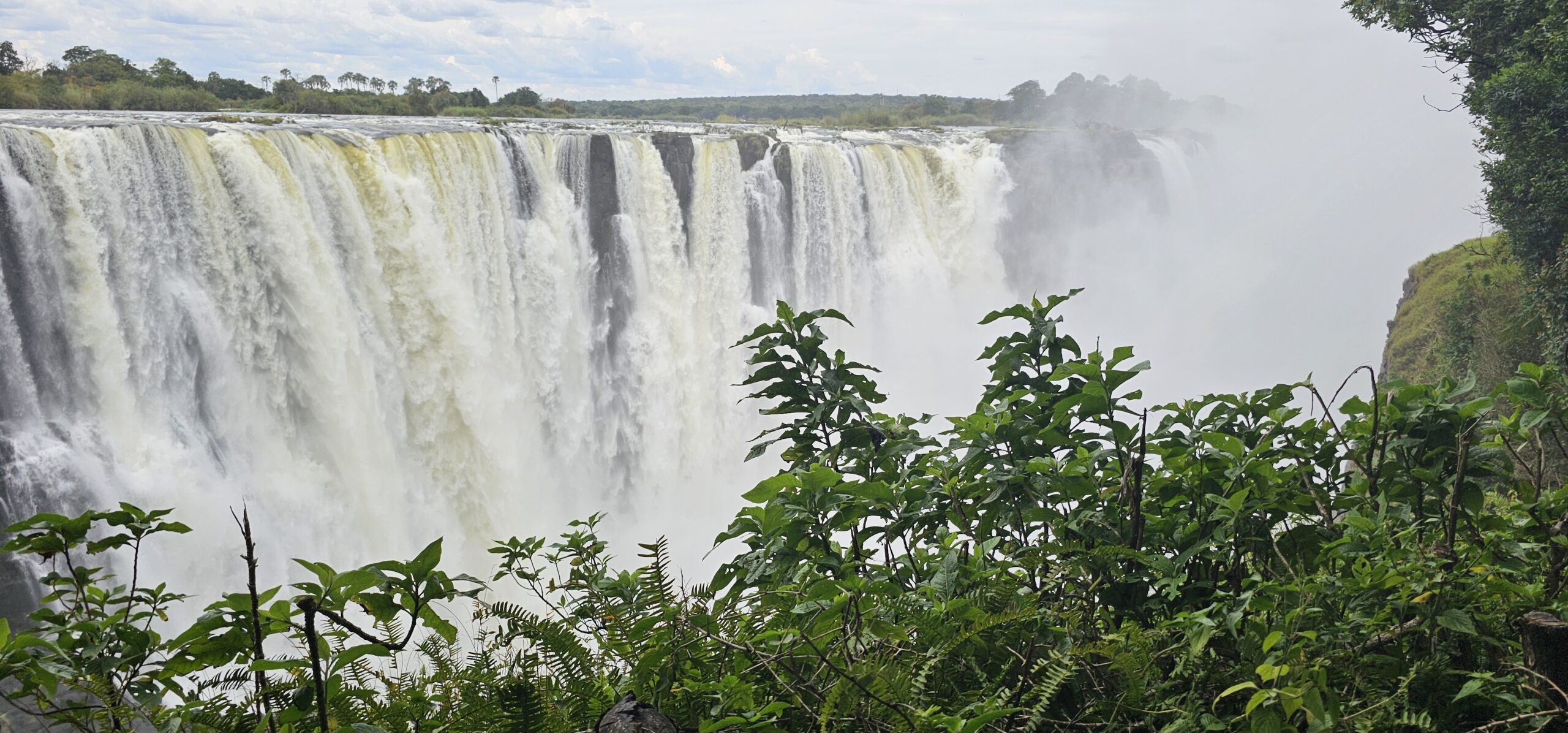
Livingston Falls, Zimbabwe, which I visited in 2025.
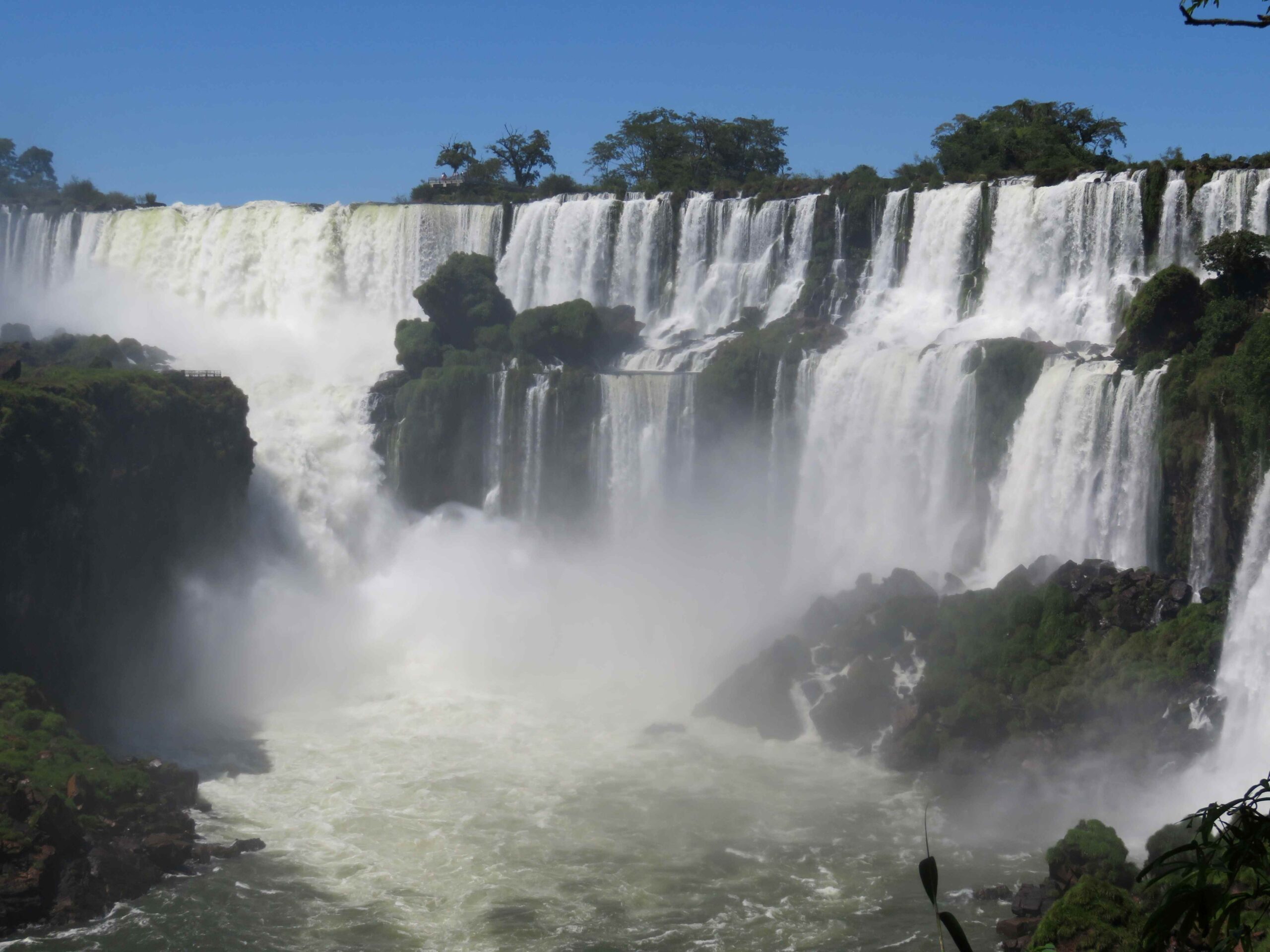
Iguazu Falls between Argentina and Brazil, the largest waterfall system on our planet with 275 individual cascades spanning 1.7 miles (2.7 kms), twice the distance of Niagara Falls between the US and Canada. I visited Iguazu a couple of years ago. Both these massive waterfalls were quite impressive.
Excellent practical suggestions. Thanks.